|
|
JUSTIN TANNER REVIEWS R.M.N.
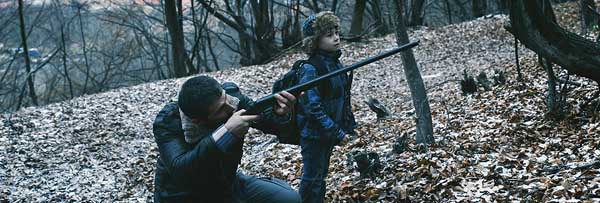
Romanian filmmaker Cristian Mungiu’s latest film, “R.M.N.” is a bracing social drama about the brutal realities of organized xenophobia. Though the details are specific to the location — a small multi-ethnic village in Transylvania — the theme of bigotry fed by ignorance and fear is all too universal. Deceptively good natured at first — it is Christmas after all — this somewhat cloistered community of tensely smiling residents has an almost mythic level of rancor and suspicion bubbling just under the surface. The local mine has recently closed, most of the men are out of work and a palpable fugue of existential dread hovers over the village like toxic gas just waiting for a spark.
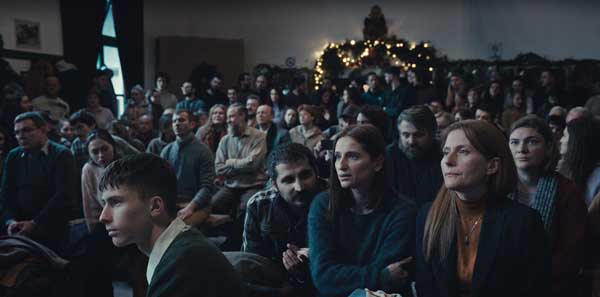
Ignorance, innuendo and a growing sense of ‘justified’ outrage swiftly transforms this community of deceptively reasonable humans into a shouting mob of torch-wielding trolls who will not give up until the migrants, considered a virus infecting the town, are sent packing. This leads to the movie’s breathless centerpiece: an unedited seventeen-minute scene at a town hall where we’re witness to a bruising example of what happens when a society loses its moral compass. It’s as terrifying as it is sadly familiar. Mungiu is marvelously adept at this sort of discomfiting quandary. In his 2007 Palme D’or winning masterpiece, “Four Months, Three Weeks, Two Days” he unapologetically takes on the thorny topic of criminalized abortion and 2012’s “Beyond the Hills” exposes the fatal brutality of religious manipulation. Through his deft precision as a writer and his pointillistic skill as a director, Mungiu is able to bring understanding, even sympathy, to the most questionable of characters by simply reporting the events with clinical detachment, never judging or taking sides. (Even the horrific religious leader in “Beyond the Hills,” whose actions bring about unimaginable suffering, is ultimately revealed as a tragic man led astray by misguided beliefs). The acting in “R.M.N.,” as in all his films, is flawless but not showy: Marin Grigore as Matthias, a gruff slaughterhouse worker and Judith State as Csilla, his sometime lover — and owner of the bakery at the center of the drama — bring an ardent exhaustion to their scenes together.
But in Mungiu’s oeuvre the group dynamic is paramount. Since each scene is presented in a single take with no cuts, no coverage, nothing to quicken the pace by artificial means or bring multiple perspectives to the table, the director is reliant on the efficiency and energy of each individual actor. And the necessary orchestration, meticulous staging and exhaustive display of behavior, is crafted with an awe-inspiring level of detail. A scene at a Christmas party with a band and fifty revelers has the specificity and infectious verve of a Breugel painting. And though it bursts with the chaos of real life, the precision of actor placement and level of nuance within each performance — no matter how small — shows the incredible amount of commitment and finesse that has gone into creating this vivid impression of “real life”. His films, with their rapturously long takes, provide a window into a world of scary authenticity. What he shows us seems to be happening in front of our eyes in real time. There are no helpful edits to break the spell. No music to hide behind. We are left with our own emotions and the constant wave of heartbreaking truth on display.
Mungiu has only made four films in the past twenty years, which is far less than one would hope for, but, luckily, each one is a meal to be savored. But they are not easy. They are at times grueling. His omniscient eye and lack of ‘judgement’ can sometimes lead to a lack of sympathy, his refusal to take sides is sometimes infuriating, and without ready answers, his conclusions can veer into ambiguity. (I had to watch “R.M.N.” twice before I could even begin to fathom what the ending was about, and even now I’m not sure). And yet there is no other filmmaker working today — outside of Malick or Lynch — who’s capable of evoking such a near-religious cinematic experience. IN THEATERS
|
|

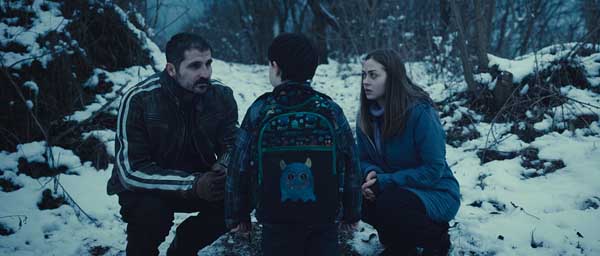
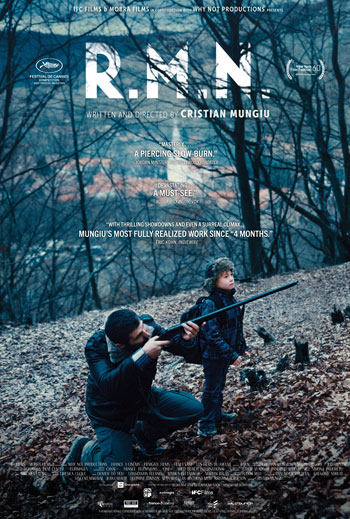 That spark arrives in the form of two Sri Lankan migrants who get hired to make bread in a nearby bakery — filling jobs too low-paying for the local men. When these sweet natured workers attempt to enter a Lutheran church during Sunday service, they are roughly evicted by the leader of a provincial white nationalist group and a veritable state of emergency is declared.