





Filmmakers, Screenwriters, Performance, Reviews, Film Reviews, Streaming

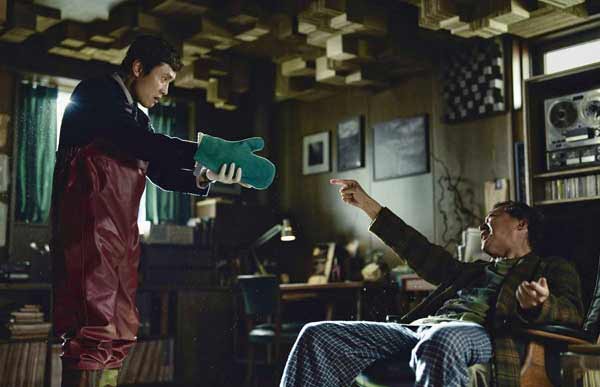
Photo Courtesy of Briarcliff Entertainment
GOOD LUCK. HAVE FUN. DON'T DIE.
by Justin Tanner
I went into “Good Luck Have Fun Don’t Die” completely blind, knowing nothing about the premise and unaware that Gore Verbinski was behind the camera — a filmmaker exiled to director’s jail ever since the back-to-back disasters of 2013’s “The Lone Ranger” and the hallucinatory box-office collapse of “A Cure for Wellness” three years later. I’ve never been much of a Verbinski fan. “Mouse Hunt” was exhausting, “The Ring” remake felt unnecessary, and the “Pirates of the Caribbean” films were exactly what you’d expect from a franchise inspired by an amusement park ride. I pretty much checked out after that, skipping “Rango” along with the two flops that eventually derailed his career. All of which is to say: maybe those nine years in exile did Verbinski some good, because “Good Luck Have Fun Don’t Die” is a blast — overcrowded with backstory, chaotic and occasionally baffling, but still one of the most entertaining studio movies I’ve seen in quite a while. The plot isn’t especially original — essentially a grab bag of time-loop sci-fi tropes that feels like three or four episodes of “Black Mirror” Frankensteined together — but Verbinski throws everything at the screen with such caffeinated conviction that the film develops its own strange momentum. We’re basically in “Terminator” country — a hero from the future racing to prevent an AI uprising from destroying mankind — with a soupçon of “The Matrix” and “Groundhog Day” thrown in for good measure.
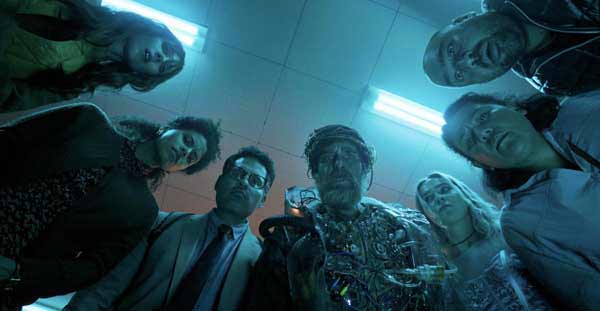
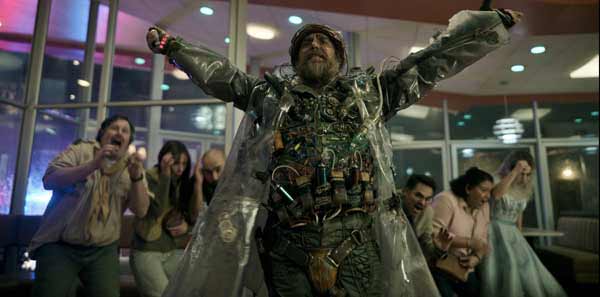
Sam Rockwell plays a man from tomorrow who storms into a diner full of people hypnotized by their phones and announces that this is the 117th time he’s tried to save the world. Like all time-loop heroes, he knows just enough about the strangers around him — how much money someone has in their pocket, for example — to convince a few of them to follow him into what may or may not be humanity’s last chance. From here, the plot slips into the dicey, choose-your-own-adventure logic of a video game, each decision narrowing the possible outcomes. The basic structure — gunplay, chase scenes, hiding spots, and the sudden death of a beloved character on the way to the final boss — isn’t especially novel. We’ve seen these encounters before. Where Verbinski and screenwriter Matthew Robinson excel is in the way they tease out their ideas, tapping into the dopamine-addled root system of modern existence and the very real fear that our oversaturated world has pushed us perilously close to the point of no return — a life where a TikTok video feels more urgent than what’s actually happening around us. The structure is fun, too, recalling Zach Cregger’s “Weapons,” with various chapters pulling us out of the gameplay to focus on a single character and how their story impacts the overall plot. These detours provide the film’s sharpest satirical edge, sketching dystopian scenarios so close to our current reality that the laughs catch in the throat. One thread follows a substitute teacher trying to get students to put down their cell phones during class — with horrifying results. Another involves the normalization of school shootings to the point where bereaved parents have become blasé about the revolving-door deaths of their children, a piece of scary-real satire that walks the line between outrageous and just plausible enough to wound. (The fact that this is the third comedy I’ve seen in a month built around a school shooting is, in itself, a fairly damning portrait of contemporary America.) But the film’s most haunting thread belongs to Haley Lu Richardson, who plays a young woman physically allergic to both wi-fi and cell phone signals, a condition that seems less like a disability than an oddly attractive escape hatch. Richardson plays the role with the perfect balance of gratitude and loneliness, fully aware that she’s experiencing a version of reality the rest of us barely remember anymore: a world without constant noise, distraction, or the pressure to turn every passing thought into content. And she’s only one part of a terrific ensemble that turns “Good Luck Have Fun Don’t Die” into a great hangout movie hidden inside an action film. Michael Peña, Zazie Beetz, Asim Chaudhry, Georgia Goodman, Daniel Barnett, and especially an unrecognizable Juno Temple fully inhabit this collection of lovable, expendable characters all hoping to survive to the end.
Rockwell holds it all together with grounded conviction and an unchecked manic fierceness that transforms what could’ve been a stock sci-fi protagonist into someone unexpectedly human. It all builds to a knockout final twenty minutes and an ending that cheekily leaves room for interpretation. Suddenly, what had seemed like random plot holes start snapping into place, suggesting that the movie may have been far more carefully curated than it initially lets on. All this, plus a giant AI cat-horse hybrid that shoots glitter from its penis and resembles the uncanny-valley horrors generative image software produces from random prompts — as if the technological singularity had started dreaming in memes. It’s too bad Verbinski’s comeback didn’t catch on at the box office. But satire — especially the kind that bites hard and leaves a bruise — has never been easy to market. Hopefully the film finds a second life on streaming, where its dense pile-up of ideas practically invites repeat viewings. I never thought I’d say this, but I can’t wait to see what Gore Verbinski does next. AVAILABLE TO RENT ON FANDANGO |
|
An LA-based playwright, JUSTIN TANNER has more than twenty produced plays to his credit, including Voice Lessons, Day Drinkers, Space Therapy, Wife Swappers, and Pot Mom, which received the PEN-West Award for Best Play. He has written for the TV shows Gilmore Girls, My So-Called Life and the short-lived Love Monkey. He wrote, directed and edited 88 episodes of the web series Ave 43, available on YouTube. Tanner is the current Playwright in Residence for the Rogue Machine Theatre in Hollywood, where his most recent play My Son the Playwright, of January of 2026, was met with rave reviews. Travis Michael Holder of the LA Drama Critics Circle wrote, "a phenomenal new achievement by local counter-culture hero Justin Tanner.”
|

To receive a free subscription to our Sunday Lounge! newsletter, Click Here
Have a suggestion? Send an email to the Editor, Click Here