





Filmmakers, Screenwriters, Performance, Reviews, Film Reviews, Streaming

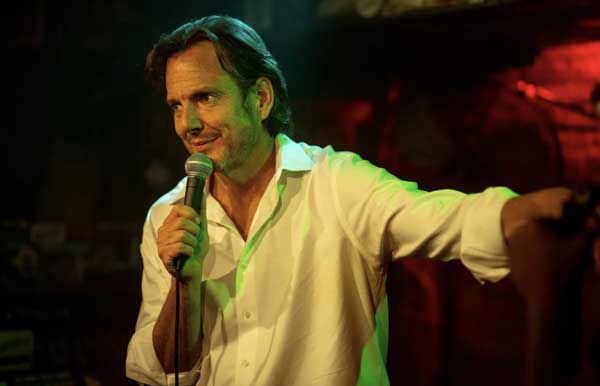
Photo Courtesy of Searchlight Pictures
IS THIS THING ON?
by Justin Tanner
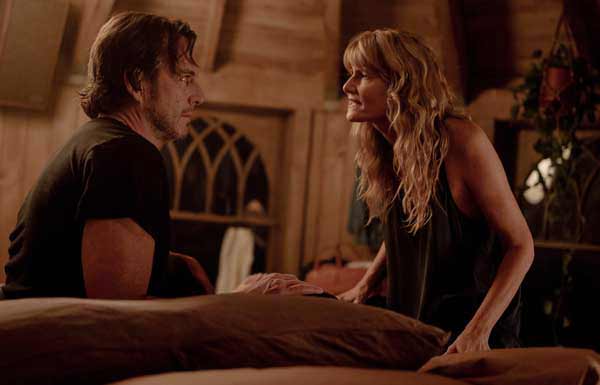
Bradley Cooper’s third film as a director is three-quarters of a good movie — an affectionate, low-stakes portrait of two people rediscovering themselves after the quiet collapse of a long marriage. The couple, Alex and Tess, played with easy charm by Will Arnett and Laura Dern, separate almost as soon as the film begins. “We need to call it, right?” Tess asks while casually brushing her teeth, and Alex, stepping out of the shower responds with the utmost civility, “I think so too.” What follows isn’t a bitter unraveling but something more recognizable: the realization that, over time, being in a relationship can erode the very qualities that made us feel most alive, until the things that brought us joy have quietly slipped out of reach. In that sense, the end of the marriage becomes less a failure than an unexpected opportunity. Freed from the habits that defined their shared life, each begins reaching toward a revitalized version of themselves.
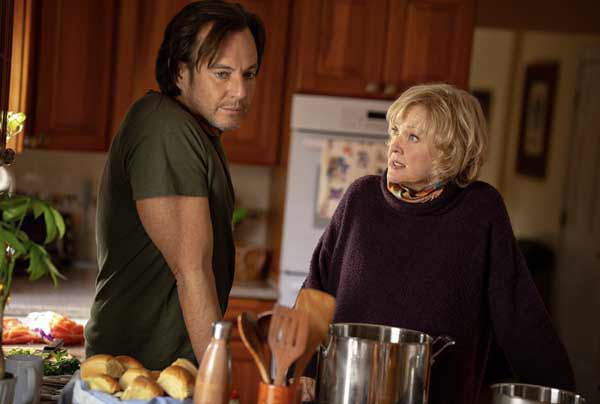
Tess returns to coaching Olympic volleyball, rediscovering a sense of purpose she had set aside years earlier. Alex, on a whim that feels equal parts desperation and curiosity, decides to try stand-up comedy. For me, stand-up is my kryptonite. The idea of someone pitching jokes directly into my face ranks somewhere between dental surgery and jury duty on my list of pleasures. Fortunately, writers Bradley Cooper, Will Arnett, and Mark Chappell don’t seem particularly concerned with making Arnett’s act conventionally funny. His material plays less like comedy than confession — closer to an AA share than a polished routine. There are few punchlines, but plenty of sharply observed truths, delivered with the kind of naïve sincerity that can win over an audience even when the jokes themselves barely land. Where the movie really picks up steam is when this renewed sense of self gives Tess and Alex enough confidence to venture back into the dating world — a development that sparks something unexpected: jealousy, admiration, and a long-dormant attraction. Complicating matters — though never to any serious degree — are the couple’s ten-year-old twin boys, who force Tess and Alex to juggle the everyday logistics of co-parenting. And then there are the obligatory sidekicks: a good-natured gay couple (Sean Hayes and real-life husband Scott Icenogle) and two of the most irritating friends we’ve seen since Alana Haim and Mamoudou Athie nearly ruined Zendaya’s marriage in “The Drama.” Director Bradley Cooper casts himself as Alex’s bestie, a self-centered, barely employed actor named Balls, who openly dislikes his wife, Christine (Andra Day), an opinionated troublemaker with no hesitation about lying straight to Tess’s face. Though Cooper is well cast — he’s great at playing douchey losers — and Day does her best to make Christine likable (no easy feat), the film lags every time they come onscreen.
I get it, they’re here to provide contrast — a miserable couple who’ve stayed married — but the story doesn’t need them, especially once Tess and Alex get back together and decide to keep it a secret from their closest friends, a needless screwball complication that leads to a quagmire of pointless close calls during a weekend getaway. It’s here that we get the film’s worst moment: an impromptu a cappella rendition of “Amazing Grace” sung by the cast that stops the movie dead in its tracks. Meant as spontaneous bonding, it instead becomes a show-offy three-minute display of pure cringe. The fact that the singers are actually quite good only deepens the discomfort. Then, the writers, who’ve handled things deftly until now, suddenly introduce a rudimentary conflict meant to separate the couple from their trajectory. But it plays like a straw-man argument — false stakes that barely justify the anger on display — the kind of disagreement that would normally dissolve in thirty seconds, yet here it leads to separation, despair, and a sudden loss of momentum. In short, we don’t believe it — and worse, the actors don’t seem to believe it either. The third act becomes an exercise in wrestling with a problem that doesn’t exist, as if the movie is manufacturing friction to make its climax feel earned. Still, Dern and Arnett remain such appealing company that the film never collapses entirely. The dialogue is sharp and unexpectedly perceptive about the compromises that accumulate inside long relationships — what it means to settle, and what it takes to rediscover yourself. And though the movie wobbles a bit near the end, caught up in artificial conflict where honesty would have sufficed, the ship eventually rights itself enough to provide a soft, if compromised, landing. In the end, what lingers isn’t the contrived drama, but the quiet pleasure of watching two people remember how to like themselves again. STREAMING ON HULU |
|
An LA-based playwright, JUSTIN TANNER has more than twenty produced plays to his credit, including Voice Lessons, Day Drinkers, Space Therapy, Wife Swappers, and Pot Mom, which received the PEN-West Award for Best Play. He has written for the TV shows Gilmore Girls, My So-Called Life and the short-lived Love Monkey. He wrote, directed and edited 88 episodes of the web series Ave 43, available on YouTube. Tanner is the current Playwright in Residence for the Rogue Machine Theatre in Hollywood, where his most recent play My Son the Playwright, of January of 2026, was met with rave reviews. Travis Michael Holder of the LA Drama Critics Circle wrote, "a phenomenal new achievement by local counter-culture hero Justin Tanner.”
|


To receive a free subscription to our Sunday Lounge! newsletter, Click Here
Have a suggestion? Send an email to the Editor, Click Here