





Filmmakers, Screenwriters, Performance, Reviews, Film Reviews, Streaming

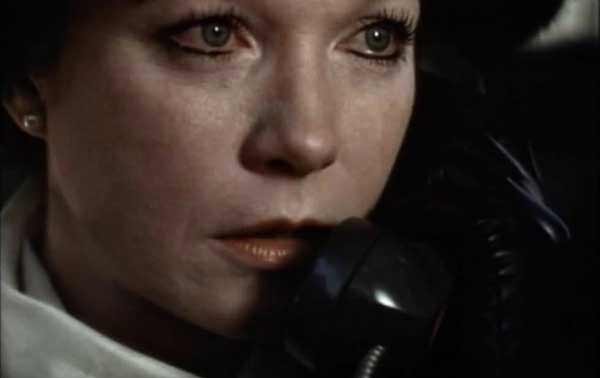
All Photos Courtesy of Paramount Pictures
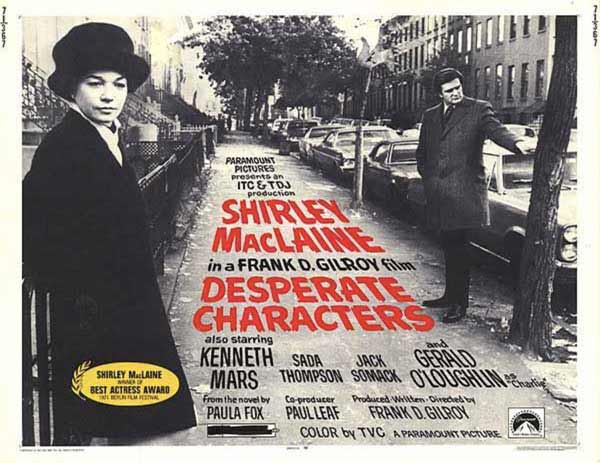
DESPERATE CHARACTERS (1971)
by Justin Tanner
Early on in playwright Frank Gilroy’s directorial debut, “Desperate Characters,” Sophie Bentwood (Shirley MacLaine) decides to give a stray cat a bowl of milk even though her husband Otto (Kenneth Mars) tries to talk her out of it: “Do you want all the wild cats of Brooklyn holding a food vigil on our front porch? They’re not pussy cats, you know, they’re thugs.” But Sophie insists and gets a nasty bite for her troubles, one that will hover hauntingly at the margins of the film until the last frame.
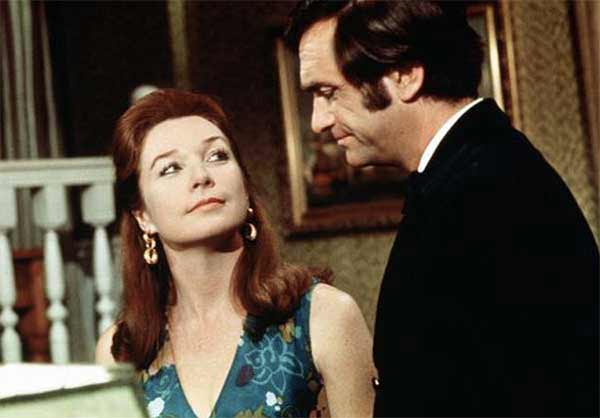
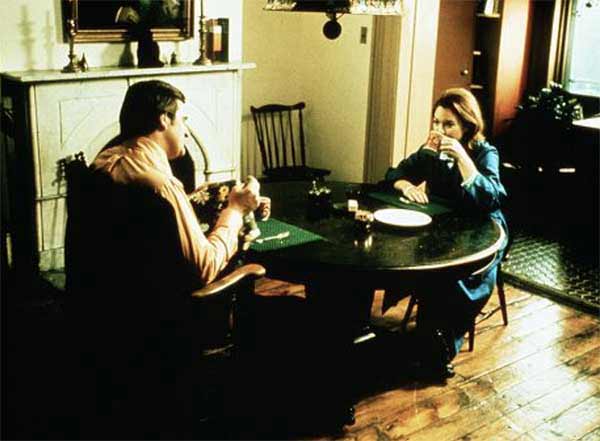
It’s not hard to see the encounter as more than a simple case of nature biting the hand that feeds it. In the fraught world of “Desperate Characters,” the cat becomes another manifestation of everything the Bentwoods fear is encroaching on their carefully ordered lives. The streets are littered with trash, police are largely invisible, and a hospital emergency room is a squalid limbo filled with the shrieks of the damned and an endless wait. And things aren’t much better at home, where Otto likes to complain about everything at length, while Sophie smiles passively, lost in a kind of silent hope, as if she can imagine a better world but has no idea how to attain it. Or she might just be checked out. It’s hard to tell, and MacLaine plays her so benignly it’s as if we’re not watching a performance at all, but the covert surveillance of someone caught unawares. In fact, MacLaine has never been less affected onscreen, or more thrilling. Always a dynamic actress, she has at times leaned hard into a part, bringing layers (and layers) of performative energy to bear. In films from “Some Came Running” to “Terms of Endearment,” she’s been a dynamo of star power. But in “Desperate Characters,” her work is dazzling in a different way. It’s so delicate it barely registers, until you catch the occasional glimmer in her eyes or an impish, world-weary smile that suddenly reveals the life underneath. And Mars is great as well, though working in a much narrower range of emotion. His bitter, vindictive Otto can barely stop seething long enough to participate in his own marriage. Even when he lightens up, as when the couple take a road trip to visit their summer house, the joy is short-lived. It’s as if he’s forgotten how to interact with the world except through contempt.
Director Gilroy has fashioned a brutal and surprisingly funny screenplay from Paula Fox’s novella, built around a series of long, self-contained scenes that sometimes feel like a stage play — appropriate given his background as a playwright (Gilroy won the Pulitzer Prize and Tony Award for “The Subject Was Roses”). Gilroy proves equally assured behind the camera, coaxing intricate, honest work from his cast while walking a fine line between satire and naturalism. The underlying tension can be overwhelming at times, but the end result is authentic enough to make it worthwhile. At a cocktail party Sophie runs into her ex-lover, Charlie, who asks her how she’s been. When she cheerfully answers, “Fatigue, anemia, all the symptoms of irreversible loss,” he leaves without a second glance. Then we notice Otto, watching from across the room, clearly understanding the sexual dynamic between his wife and her former lover. Moments later, Sophie discovers a brick has been tossed through a window, further blurring the line between the city’s genuine deterioration and the Bentwoods’ growing terror of losing safety and control. Sada Thompson makes a rare film appearance as Sophie’s friend Claire, providing the buoyant warmth Maureen Stapleton would later bring to Woody Allen’s “Interiors.” Divorced but still friendly enough with her ex-husband to have him over to perform domestic chores, Claire offers restorative balance to Sophie’s tightly sealed world of unspoken emotion. When Claire and her ex get into a robust argument, displaying the kind of open honesty Sophie and Otto seem incapable of, Sophie can barely stand to watch. She flees. There’s a strange disconnect at the center of the film that deepens a mystery we never quite get to the bottom of: though we’re charmed by MacLaine’s performance, many of the people in Sophie’s life don’t seem to like her very much. When Claire’s ex-husband Leon (Jack Somack) enters the room, he stares coldly at Sophie from an upstairs landing. “Come down and see Sophie,” Claire suggests. “I can see her from here,” he replies, almost snarling. And when Sophie runs into an old friend on the street (Rose Gregorio), the woman is barely civil, turning down multiple suggestions that they get together before finally jumping into a cab to get away from her. The unfiltered hostility leaves us wondering whether MacLaine’s extraordinary openness has seduced us into seeing a woman very differently from the way those closest to her do.
Meanwhile, the cat bite continues to fester at the edge of Sophie’s consciousness as pressures from both inside and outside the marriage begin to close in. Violence and the steady erosion of their domestic security push the Bentwoods’ already fragile equilibrium toward the breaking point, leading to two scenes that may prove difficult for more sensitive viewers. In one, the cat is lured back into the apartment and trapped so it can be tested for rabies. Watching Kenneth Mars grab the terrified animal in a vise-like grip as it wriggles and shrieks before being shoved inside a box was almost too much for me. Only the scene’s absolute necessity to the story kept it from turning me off completely. More troubling is an incident of domestic sexual abuse that makes explicit the violence lurking beneath Otto and Sophie’s seemingly bloodless marriage. It left me profoundly disturbed and, in the moment, struck me as borderline exploitative. It’s a minor miracle the film recovers. But MacLaine and Mars navigate the chilly aftermath with such subdued precision that we’re invited to contemplate the implications of the act rather than tune out entirely. Sophie’s response, and the almost imperceptible shift in how she deals with Otto, provide a clue to how the film’s ambiguous ending might eventually play out. There’s just enough of an awakening in Sophie to suggest that whatever happens next, the old arrangement between them is no longer tenable. American movies in the early 1970s were unusually hospitable to stories this ambiguous: adult, disquieting films about people who could be contradictory and unknowable. And though some may find the lack of resolution in “Desperate Characters” frustrating, Gilroy’s trust in the audience to fill in the blanks is heartening, and part of the reason so many films from this period still feel so modern and grown-up. They trust that we’re adults, and treat us accordingly. How very novel. AVAILABLE FOR RENT ON YOUTUBE |
|
An LA-based playwright, JUSTIN TANNER has more than twenty produced plays to his credit, including Voice Lessons, Day Drinkers, Space Therapy, Wife Swappers, and Pot Mom, which received the PEN-West Award for Best Play. He has written for the TV shows Gilmore Girls, My So-Called Life and the short-lived Love Monkey. He wrote, directed and edited 88 episodes of the web series Ave 43, available on YouTube. Tanner is the current Playwright in Residence for the Rogue Machine Theatre in Hollywood, where his most recent play My Son the Playwright, of January of 2026, was met with rave reviews. Travis Michael Holder of the LA Drama Critics Circle wrote, "a phenomenal new achievement by local counter-culture hero Justin Tanner.”
|


To receive a free subscription to our Sunday Lounge! newsletter, Click Here
Have a suggestion? Send an email to the Editor, Click Here